The missing piece in so many art programs
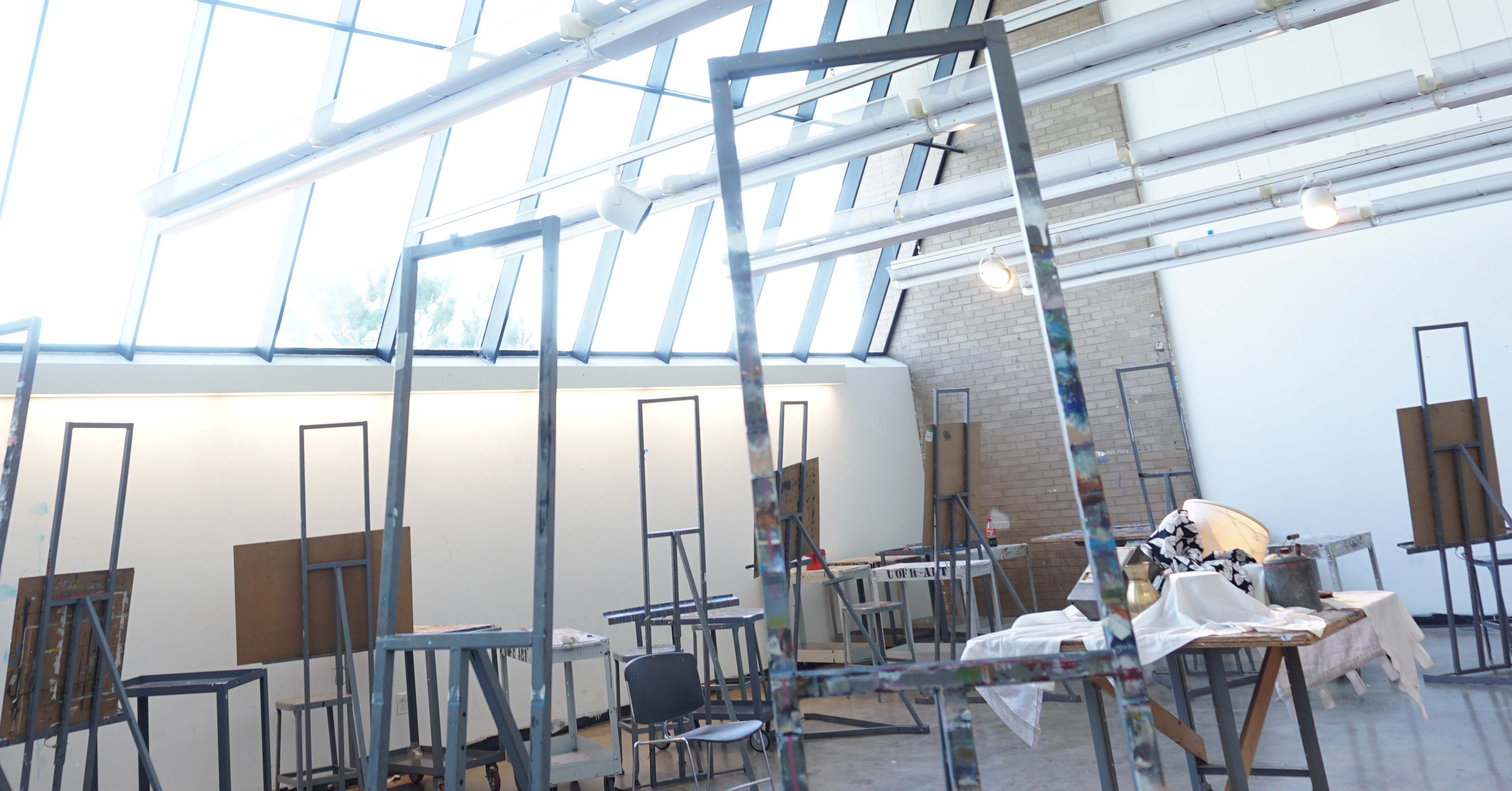
My biggest complaint about my college art experience is that even after taking Painting 101… I didn’t really learn much that I didn't already know.
Frankly, I was expecting more.
Back then, the “in” thing was expressionism, abstraction, and found-object painting. I walked into class with several years of painting already under my belt. Many classmates didn’t have that—and I watched them struggle.
Two assignments have stuck with me:
The newspaper clipping. We were handed tiny black-and-white clippings and told to paint them larger and in color (mine was a pope—don’t ask me which one or where that 'masterpiece' ended up).
The cardboard still life. A pile of taped-together boxes, spray-painted in garish patterns. We were simply told “paint that.”
Looking back, I think my professor (a professional non-representational painter) wanted us to extrapolate from minimal input or avoid “subjective choices.”
Stumbling into insight
But here’s what was missing: no attempt was made to teach us how to see, what to look for, or anything on technique.
No discussions on composition, form, light, color mixing, brushwork, tool choice, etc. You know, the fundamentals of painting.
Seems so obvious in retrospect, but it was mostly, “Paint that.” So we did—and hoped to stumble into insight.
I eventually switched majors to graphic design and illustration (which served me well), but that experience shaped how I teach today.
My approach to teaching
My suspect my experience in college was similar to many others back then. Perhaps it's still like that today? So when I decided to go all-in on teaching, I wanted to make sure that I give my students a better experience and a better education than I had.
Which is why, when you learn with me, you’ll always know:
What we’re doing (the goal),
Why it matters (the context that makes it stick), and
How we’ll do it (methods and techniques).
Before we pick up a brush, we cover the foundational concepts—simplified and made practical for landscape painting. Honestly, those lessons often take longer to create than filming the painting sessions.
But they’re the difference between copying and understanding.
Not trying harder—but understanding better
So the next time you’re learning something new, make sure you have the full context. It’s not about trying harder—it’s about understanding better. That'll make all the difference.
And if you’d like to hear more about my approach to teaching, watch this short video on my YouTube channel. Then drop me any questions you have in the comments below the video.
Your next step
If this sounds like the kind of art instruction you’ve been looking for, I invite you to watch my free workshop:
👉 Secrets to Painting Beautiful, Realistic Landscapes
In this one-hour session, I’ll share the same 4-stage framework I use in my own work. You'll also get a feel for how I teach, and whether this approach is what you've been looking for.

Related Reading
4 Basic Rules for Easier Landscape Paintings
A foundational overview for painting landscapes, designed to help you simplify decisions and create stronger, more confident paintings.


